
Tips & FAQ
My bread is coming out crumbly. What do I do?
Homemade bread products may fall apart more easily, especially after a day or two because they are not full of additives and conditioners. Below are a few tips to help avoid the crumble:
-Make sure the dough is not too dry by using less flour or more liquid.
-Make sure the dough is sufficiently kneaded using the “window pane test” (see below).
-Don’t cut the bread hot, ideally not until you are ready to use it.
-Natural additives like vital wheat gluten or lecithin can help with texture, rising properly and a generally less crumbly texture.
My bread isn't rising well or is taking longer than the recipe said to rise.
Rising is all about the gluten development.
-Gluten does not exist in raw flour but is developed through kneading once the flour gets wet. Be sure you knead the dough long enough to pass the “window pane test” (see below).
-The gluten potential in flour is dependent on the weather when the wheat is grown. Conventional flour blends a variety of types of flour from many fields and sources so the variation is evened out. Since that is not the case with our freshly milled flour, you may benefit from adding a teaspoon of Vital Wheat Gluten per cup of flour in the recipe. I use it in most recipes with great results! I normally purchase on Amazon.
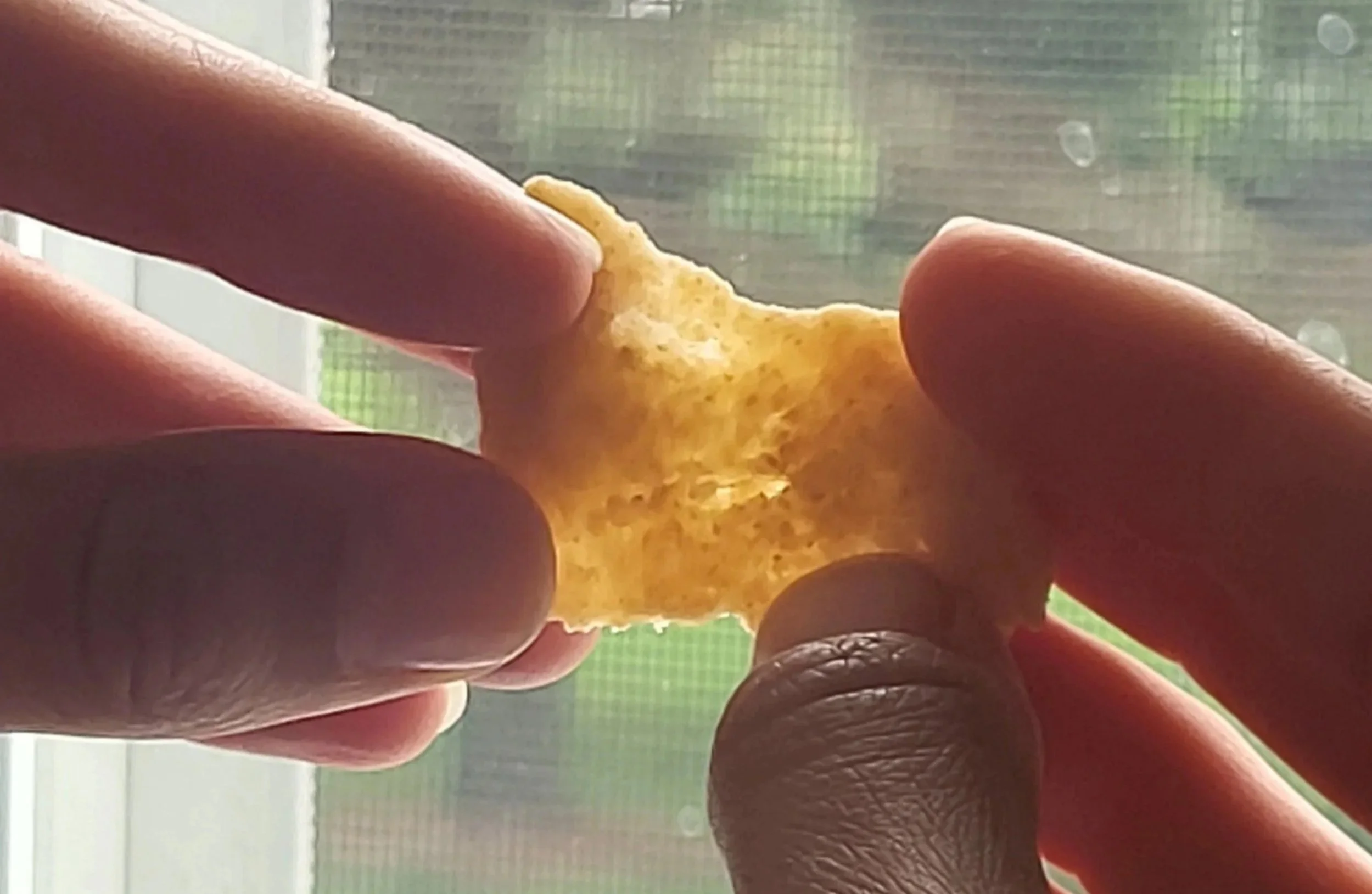
What is the “window pane test”?
The “window pane test” is a baker’s easiest way to determine if the dough is kneaded enough to develop the gluten and rise well.
Take a small piece of dough in your hands, flatten it and stretch it slowly while holding it up to a window (or any light source). If you can see light through the stretched dough before it starts to tear, your gluten is developed and you are ready to let your bread rise. If not, keep kneading!
Why are my cookies flat and crunchy?
Soft white wheat, in particular, absorbs liquids differently than all-purpose flour. You will need extra flour to reach the same consistency. However, it is also recommended to refrigerate the dough long enough to cool it through before baking. The cooler dough will not “melt” out as quickly, leaving you a fluffier cookie.
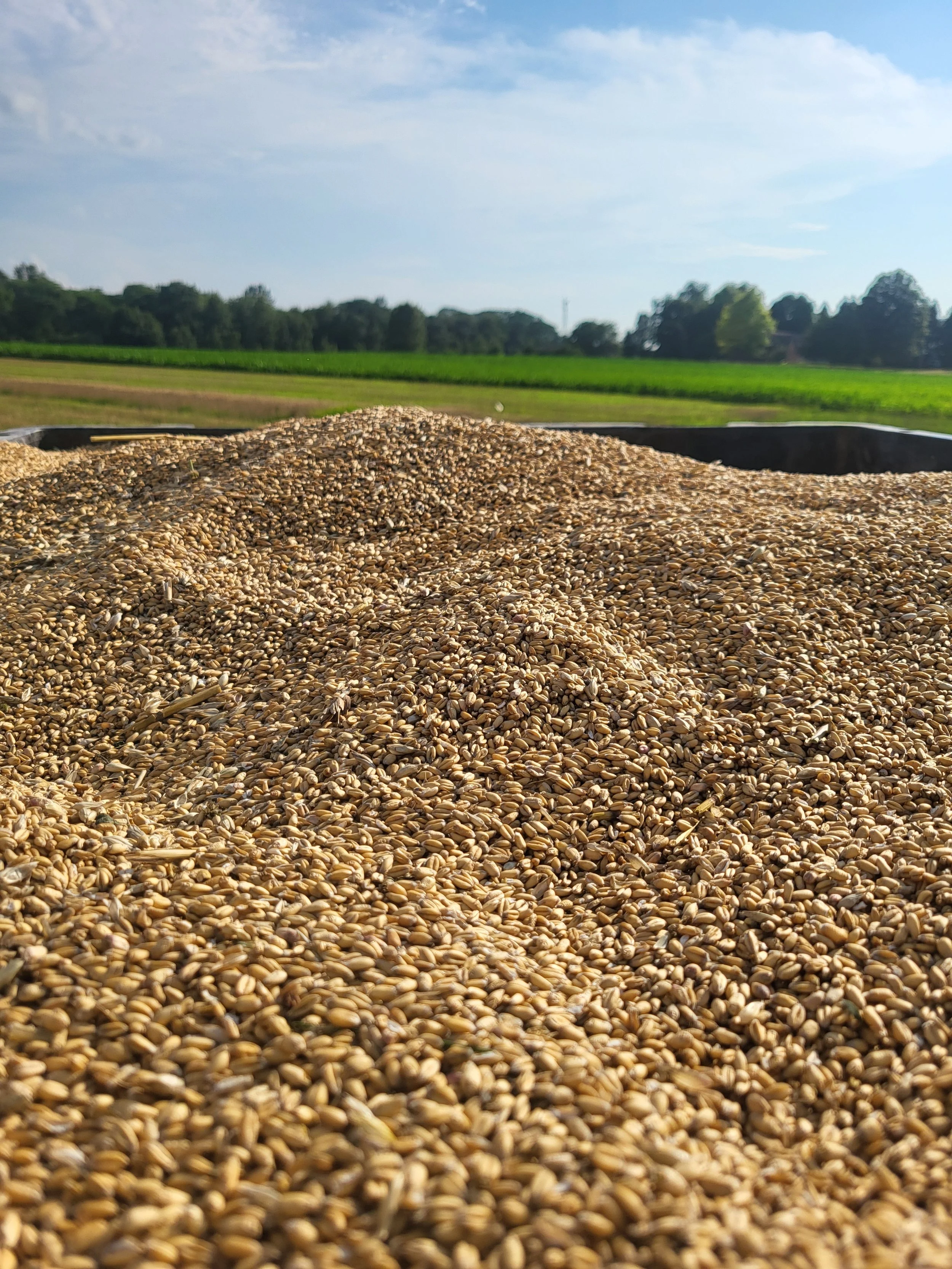
Can I use freshly milled flour in my regular recipes?
Absolutely! Here are a couple things to note:
-If the recipe uses yeast, be sure to use a hard flour. Hard flours produce more gluten, which is needed to rise well.
-Be aware that the hard red flour in particular will have a heartier flavor, which is not always preferable for sweet bread, cakes, cookies and similar items.
-If you are replacing all purpose flour with hard red or hard white flour, you should be able to use the same quantity as the recipe calls for. Sometimes I will add a little extra to reach the same consistency, but it should be close.
-If you are replacing all purpose flour in a non-yeast recipe with soft white wheat, you will need between 1.25 and 1.5 cups of flour per cup in the recipe. Soft white wheat in particular absorbs liquid differently than an all purpose flour, so more flour will be needed. The goal is to reach the same consistency that you would normally see in whatever the recipe is.
Can I store freshly milled flour just like any other flour?
I actually would not recommend it.
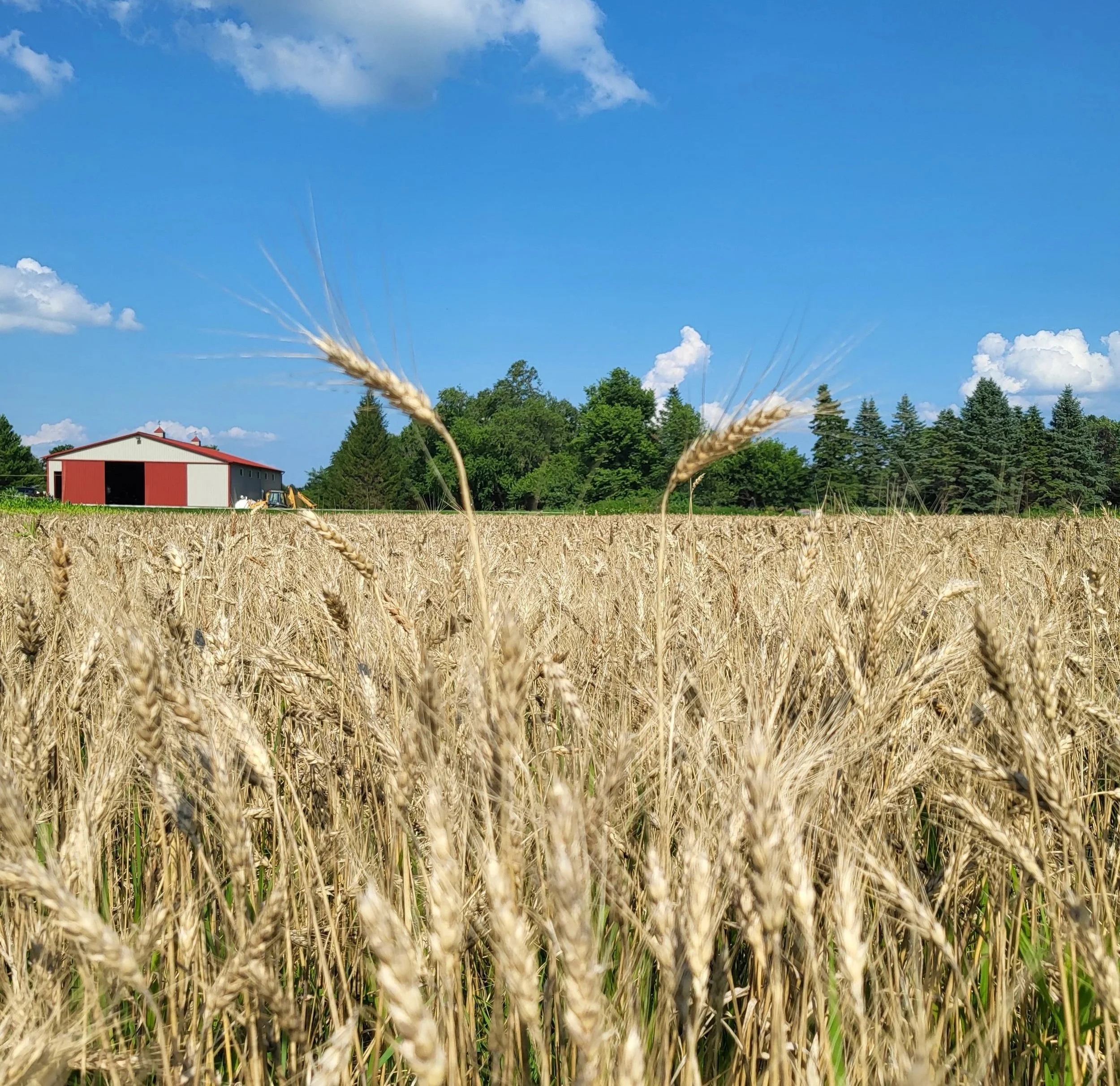
Wheat before it is milled can be stored for very long periods of time due to the protective bran or seed coat. Once it is milled, the bran is broken down and the oils in the germ are exposed, allowing spoilage.
Freshly milled flour will keep for a couple weeks without spoiling, but the nutrients in the bran are exposed to the air when it is milled and begin to oxidize and break down, making older flour less nutritious than freshly milled flour.
If you don’t use it right away, I recommend freezing freshly milled flour as soon as you can. This not only keeps it from spoiling but preserves the nutrients as well. It is easy to use straight out of the freezer since it freezes as a powder, not into a block. If the freezer doesn’t work for you, the refrigerator will slow the process down as well.