
What is Whole Grain?
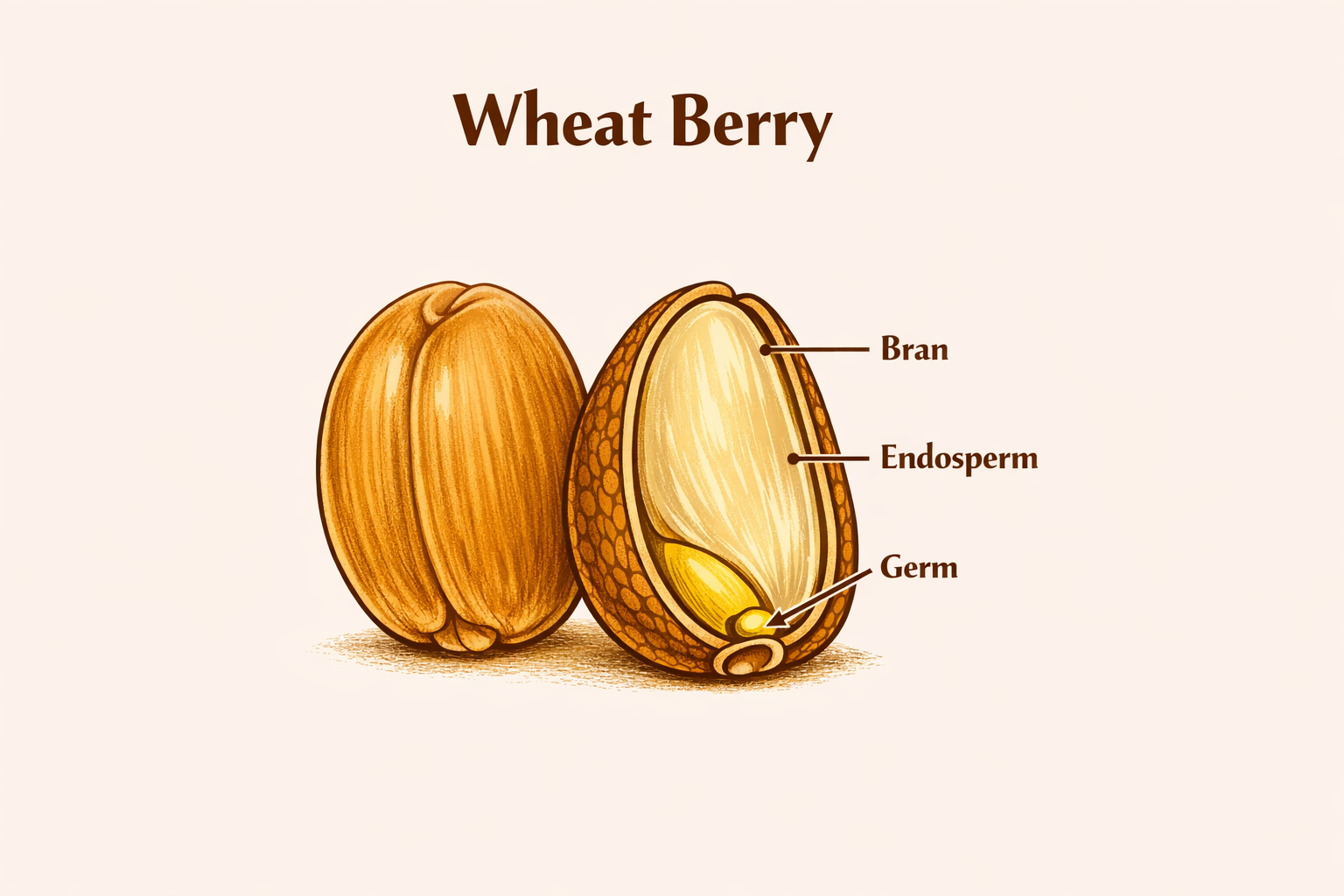
The importance of whole grain starts with the basic anatomy of wheat.
1. Bran – The Protective Outer Layer
The bran is full of fiber, B vitamins, iron, copper, zinc, magnesium, antioxidants, and phytochemicals.
2. Germ – The Nutrient‑Dense Core
The germ is the nutrient-dense embryo of the seed and contains healthy fats, vitamin E, B vitamins, antioxidants, and phytochemicals.
3. Endosperm – The Energy Source
The endosperm provides carbohydrates, protein, and small amounts of vitamins and minerals.
All 3 parts of the wheat berry are important and together provide a nutrient-dense source of food. Fresh‑milled flour preserves all three parts—delivering the full nutritional package nature intended.
When I began learning about flour, I was surprised to learn that refined white flour, the kind I bought at the store all the time, contains only the Endosperm. The germ and bran will make the flour spoil within a couple weeks, so it is removed to make the flour shelf stable.
Historically, milling at home and baking bread regularly were a part of daily life. White flour was common only among the wealthy as were poor health and diseases that we now know are from nutrient deficiencies.
Flour mills with large mill-stones to grind the grain allowed households to outsource this intense task. Towns would grow around the local mill and buy their flour from the local miller. These much larger mills could be powered by water or wind. This whole flour still contained the oil from the germ and thus would spoil when they tried to ship beyond local communities.
Steel roller mills, which used metal rollers, were invented in the later 1800’s and were able to strip away nearly all of the bran and germ, including the oil that would cause the flour to spoil. This meant the refined white flour would not spoil in transit and could be mass-produced and shipped great distances. By the early 1900’s, white flour was becoming common for everyone and most people saw it as a great advancement.
At the same time, diseases including beriberi (a Thiamine, vitamin B1, deficiency causing neurological disorders), pellagra (a niacin, vitamin B3, deficiency that causing skin, gastrointestinal, and mental disorders and death) and anemia (iron deficiency causing fatigue and weakness) were growing at alarming rates. These were eventually traced back to the white flour that had become standard. Millers were forced to address the issue in 1941 when the government mandated enrichment of flour. However, over 30 nutrients are removed in the milling process and only 3 B vitamins, iron, and later, folic acid, are added back. Standard flour is also chemically bleached which introduces a variety of other substances.
History of Flour
Why Whole Grain Matters
Whole Grains are nature’s basic nutrition source.
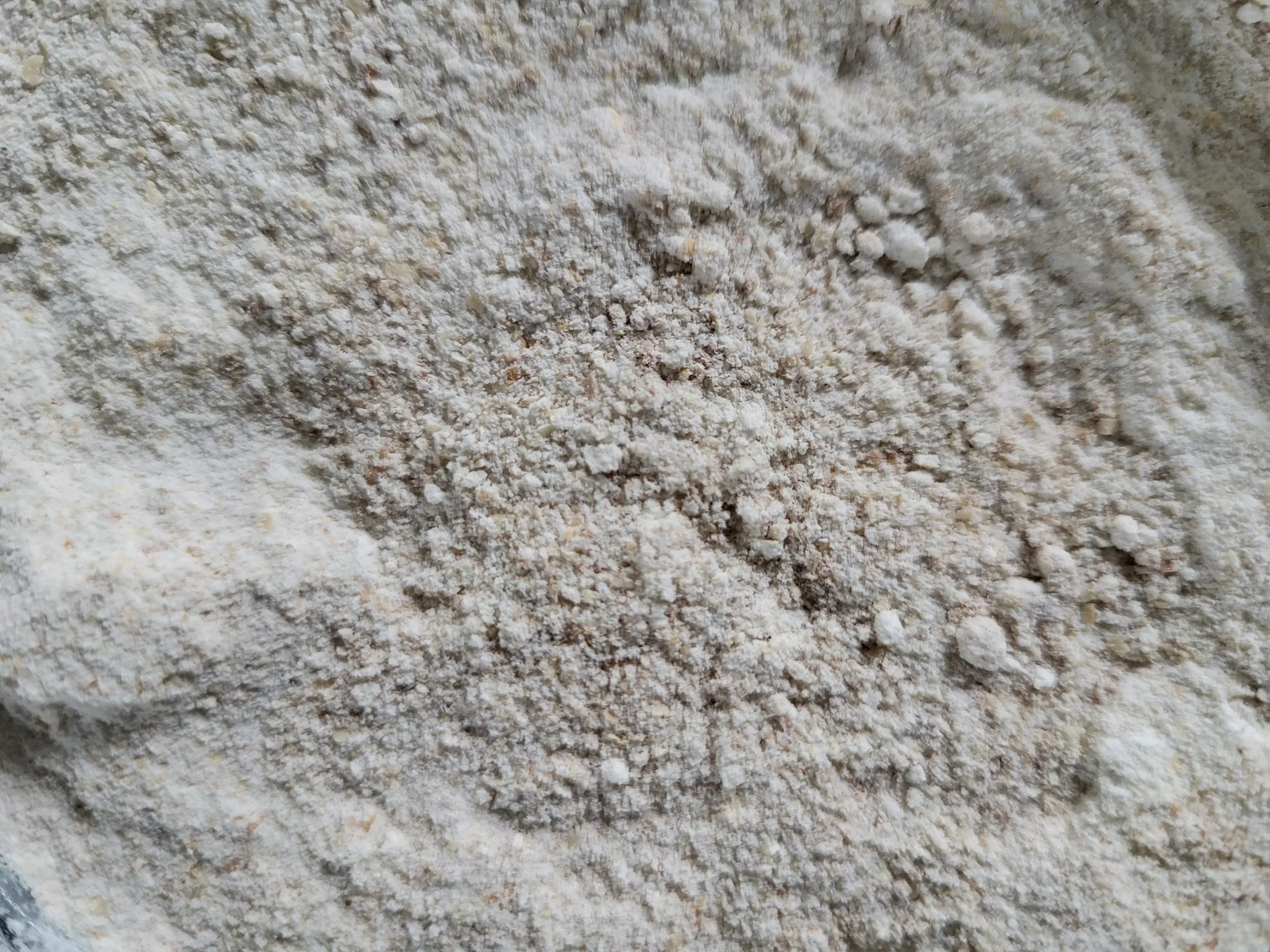
Whole grains contain a variety of vitamins, minerals, fatty acids, complex carbohydrates and plenty of fiber. The conditions common when some of these vitamins are lacking are noted above, and while a few of the vitamins are added back artificially to standard flour, the full variety and the natural balance cannot be recreated.
Fiber is particularly important and is notably lacking in most modern diets. Fiber, found in the bran of whole grains as well as fruit and vegetable skins and firm vegetables, is actually not digestible, but works to aid digestion, ease constipation and ease related digestive conditions. Fiber in the form of complex carbohydrates functions as a prebiotic, feeding the healthy bacteria in your gut, which improves not only digestive health, but your immune system which functions largely in the digestive tract as well.
I made the switch to whole grains as I was looking to provide a cleaner, healthier diet for my family. We didn’t have any particular health issues besides the frequent illnesses of young school children to target, but I was growing more concerned about the long term effects of the typical highly processed diet full of additives, dyes and artificial flavors. I was intrigued by the list of potential health benefits as I heard various proponents mention improvements in everything from allergies, digestion, warts, skin issues, energy, to cancer risk.
It was easy to believe that, at minimum, that a home-made option was going to be better for us than store-bought, but what actually sold me was that it did not require eliminating anything from our diet, it is all about the benefits that are added. We do naturally decrease the amount of processed food every time we choose home-made whole grain versions, but I also don’t tell my kids they can’t have the treat at a birthday party or that snack from school. This is actually about adding the best nutrition into their diet so they are starting from a solid base level.
The transition felt easier for me because it is delicious! My family loves it when I bake and tries to steal the first portion of whatever warm bread or bagel I pull out of the oven. Added bonus: the house smells amazing! It is definitely more work, but I have gotten into routines that make it do-able. I bake once or twice a week and make larger quantities of bagels or bread or buns that we eat in a variety of ways over the next few days. This requires that I be home for 2-3 hours to make things, but most of the time is spent waiting for rising or baking, so I am free to do whatever else I need to around the house in that window.
Finally, it was never about a dramatic change overnight. I tried one thing at a time that felt manageable in that season until I felt like I could add something new. And if life gets too overwhelming, I buy something from the store sometimes that I would normally bake. No shame, just making the best choices I can.
The big question I have been asked is what benefits we see. We weren’t starting off with major issues to see removed, however, digestion was different right away. It took a week or two of being a bit “off” and then we are all seeing better, more regular digestion with less weird stomachaches now. I have noticed generally feeling more energetic and capable. I think it creates a bit of a snowball effect in that regard. I was also thrilled that our kids had far fewer illnesses last winter. They are still kids at school and brought home some colds and bugs, but we had far fewer days out of school.
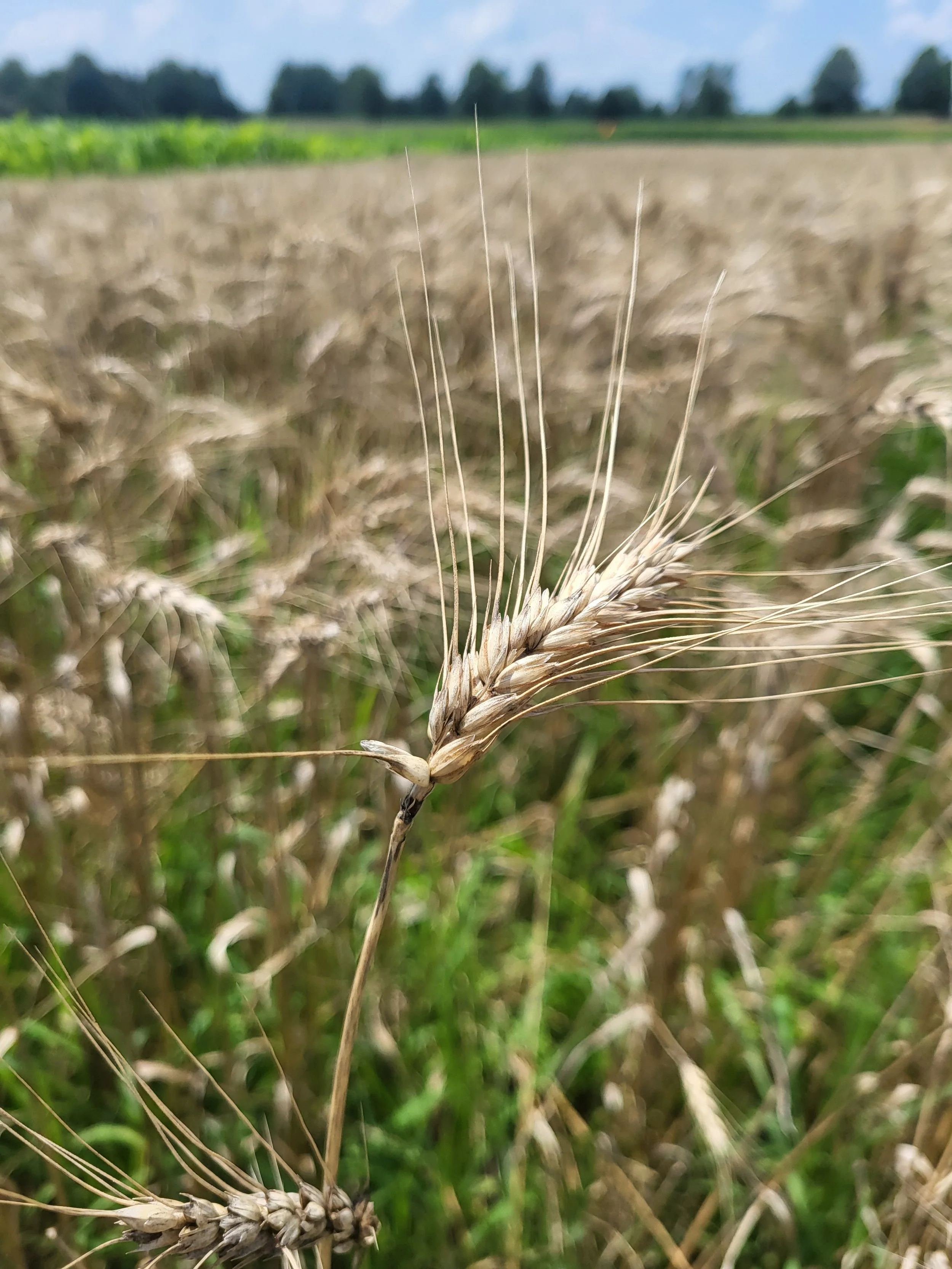
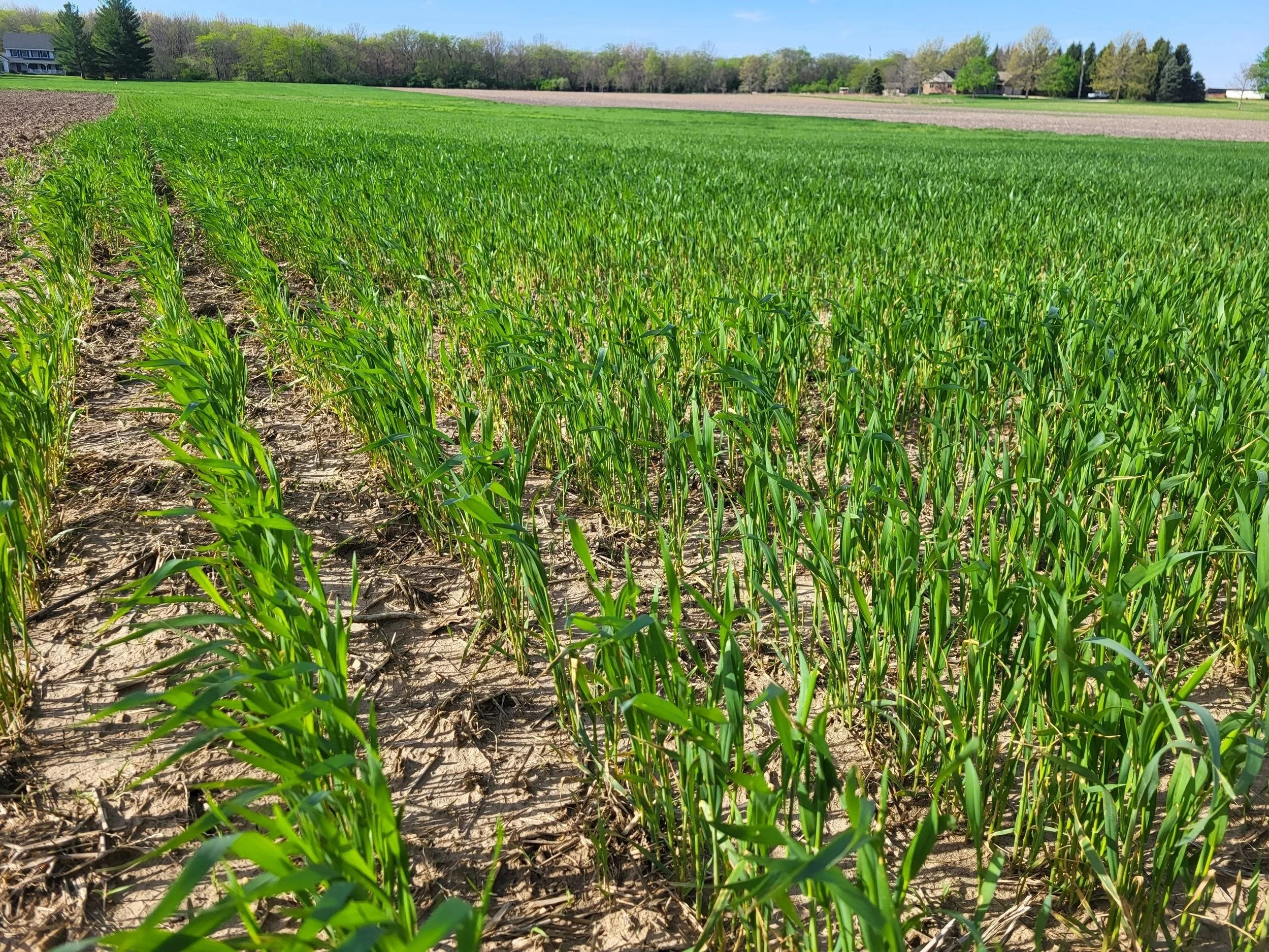
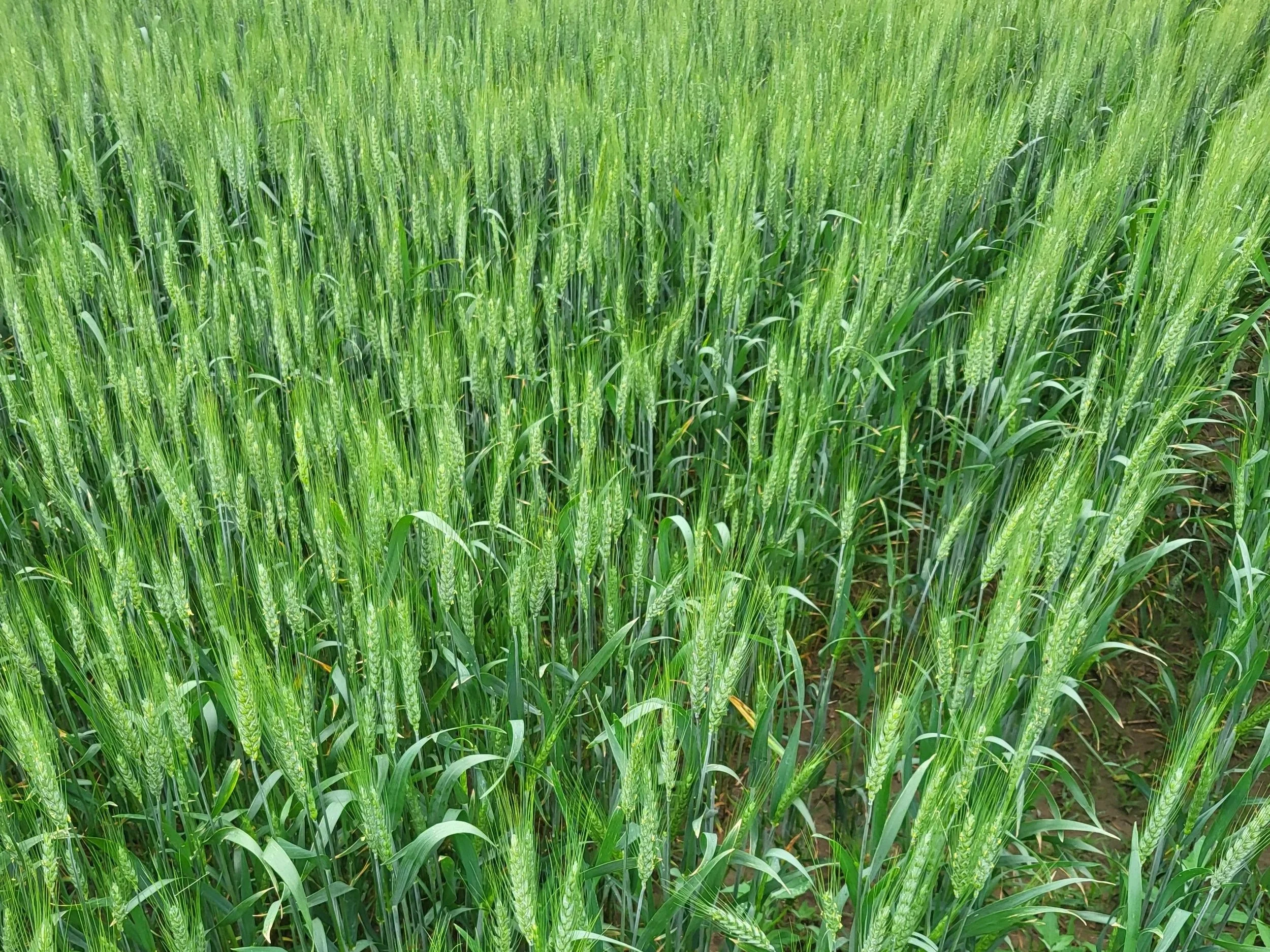
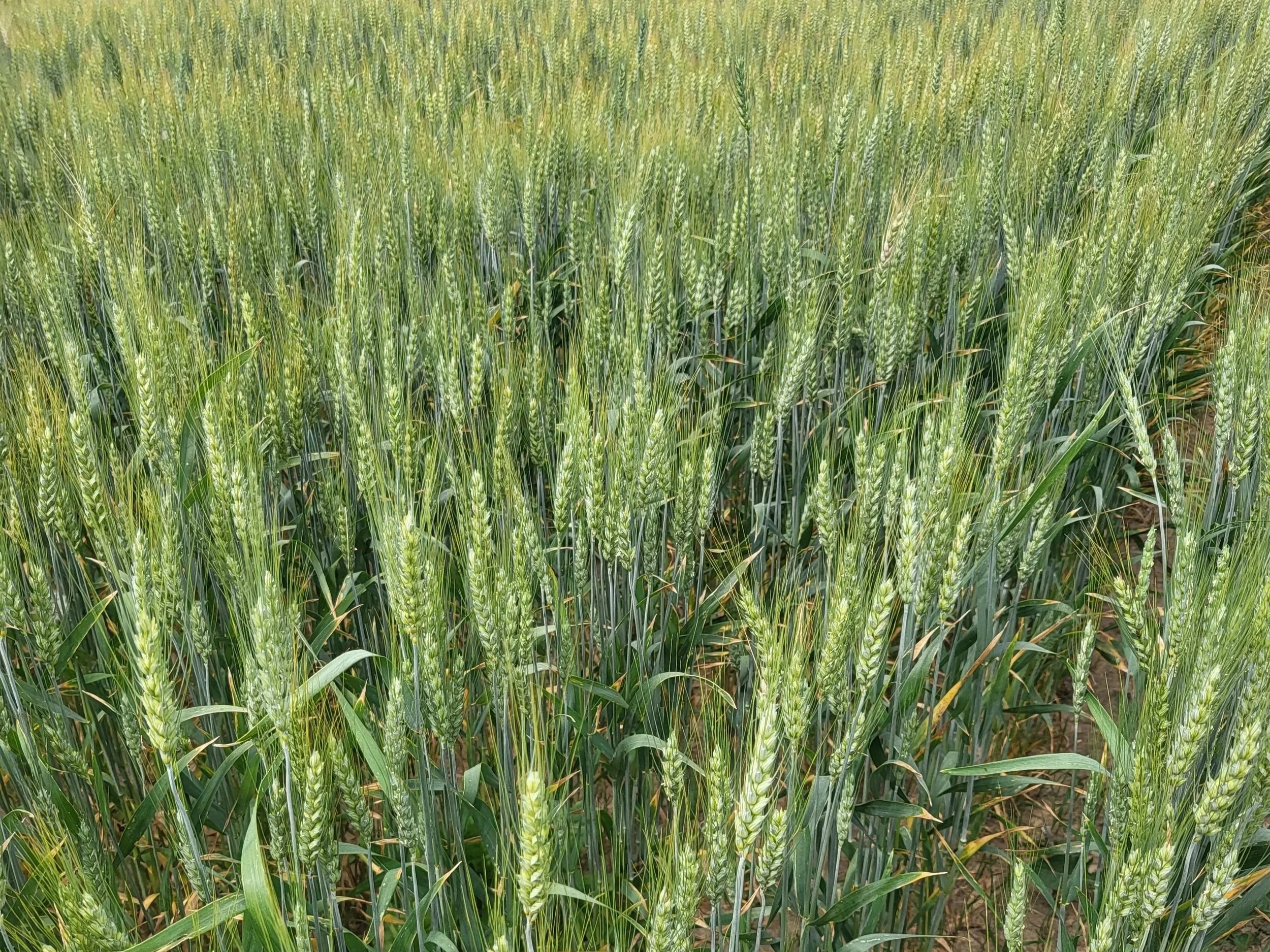
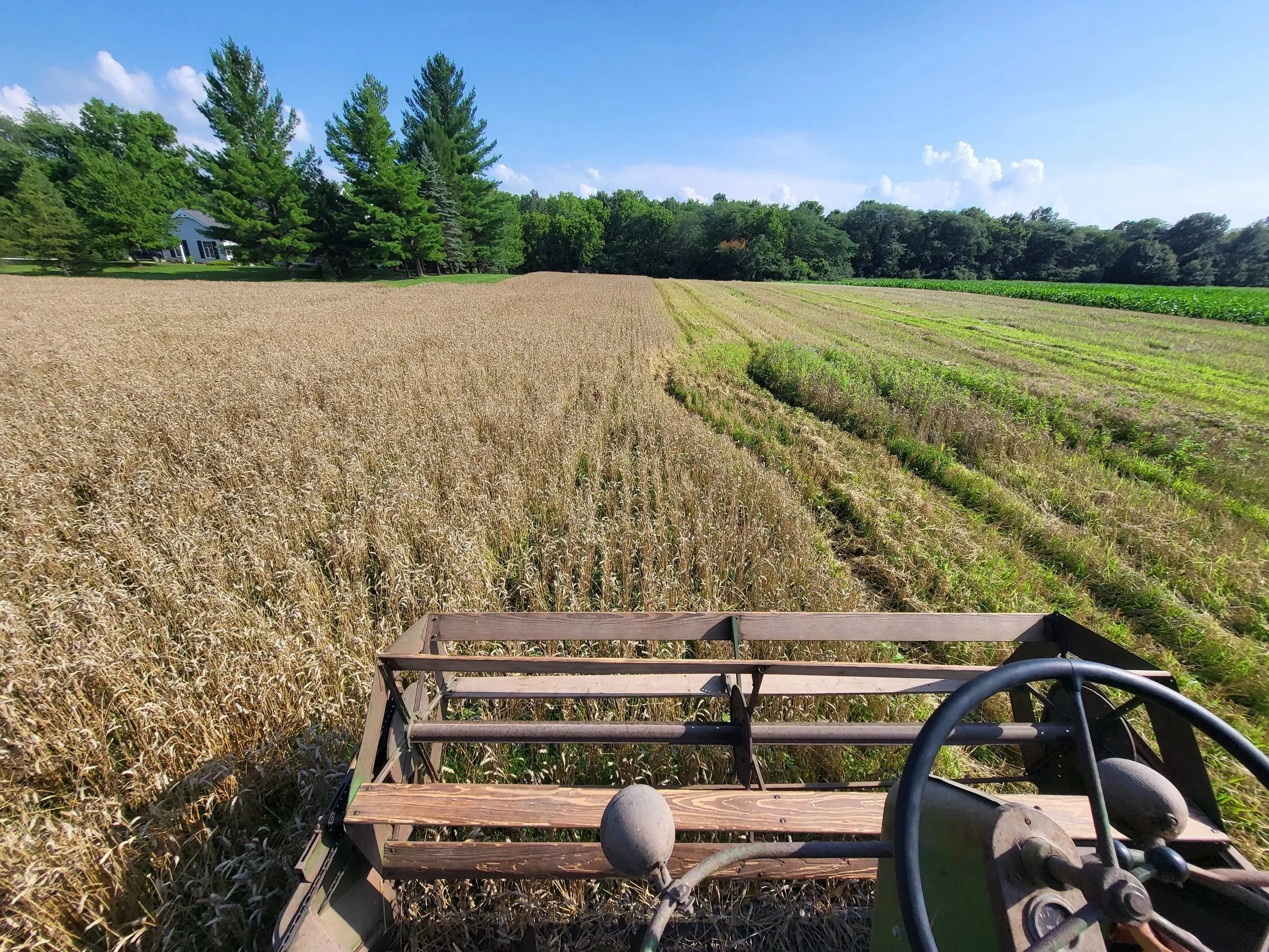
As I started this journey, I started milling flour for my extended family to use as well. I work on the family farm, so as this became a new lifestyle for a few of us, we decided to try an experiment and grow some food grade wheat ourselves! I was excited to harvest that this summer. We now have a larger quantity of wheat in storage than we can eat and get to share some with others! We have hard red for bread, hard white wheat for whiter breads, cinnamon rolls, etc, and soft white wheat for cakes, cookies and pancakes. I am selling both wheat berries for those with their own mills and freshly milled flour of each type. We decided to keep the ideas coming and planted a little popcorn that will be harvested this fall as well!
My Story with Whole Grains
For more information on whole grains and sources of much of the information above, please look into the following resources:
Whole Grains Council – What Is a Whole Grain
Becker, Sue. The Essential Home-Ground Flour Book: Learn Complete Milling and Baking Techniques. Robert Rose, 2016.